Slab leak repair in Plano, TX starts with pinpoint detection, not demolition. Plano slab homes across Collin County can leak for weeks under the concrete before a warm floor, a running meter or a climbing water bill gives the problem away. Call +1 (972) 945-2624 and dispatch will match your Plano job with an available independent, licensed local plumbing professional. The leak gets located first, your repair options get priced second, and no floor is opened on a guess.

Plano built out early and fast. Most of the city's slab-on-grade housing went up between the 1970s and the 1990s, which means the copper water lines under thousands of Plano slabs are now 30 to 50 years old, exactly the age when pinhole corrosion starts. Underneath it all sits Blackland Prairie clay, the expansive soil that swells in wet weather and shrinks hard in a dry summer, flexing every slab between US 75 and the Dallas North Tollway. Mature neighborhood trees add root pressure and uneven soil moisture. Add a hard freeze to a line already thinned by corrosion, and the leak that Plano plumbers get called about is rarely a surprise.
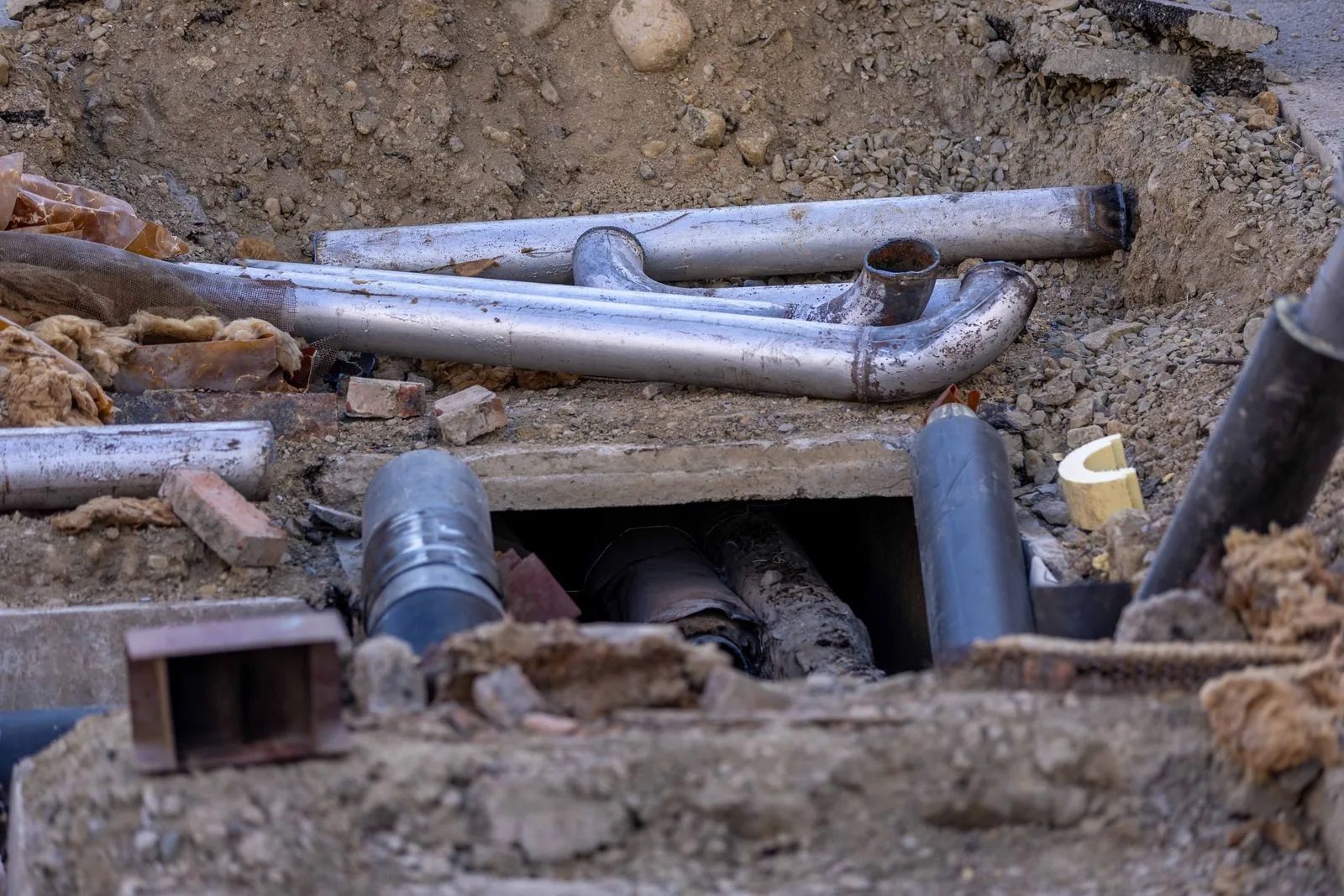
In Plano the first sign is usually the water bill: a steady climb with no change in habits, or a meter that keeps moving with every fixture off. After that comes a warm strip on the floor where a hot line leaks, a faint sound of running water in a quiet house, or moisture at the base of a wall. In older east Plano homes, watch for doors that suddenly stick and hairline cracks in tile or walls, which can mean the soil under the slab is washing out or swelling unevenly. Any one of these deserves a detection visit before it deserves a repair quote.
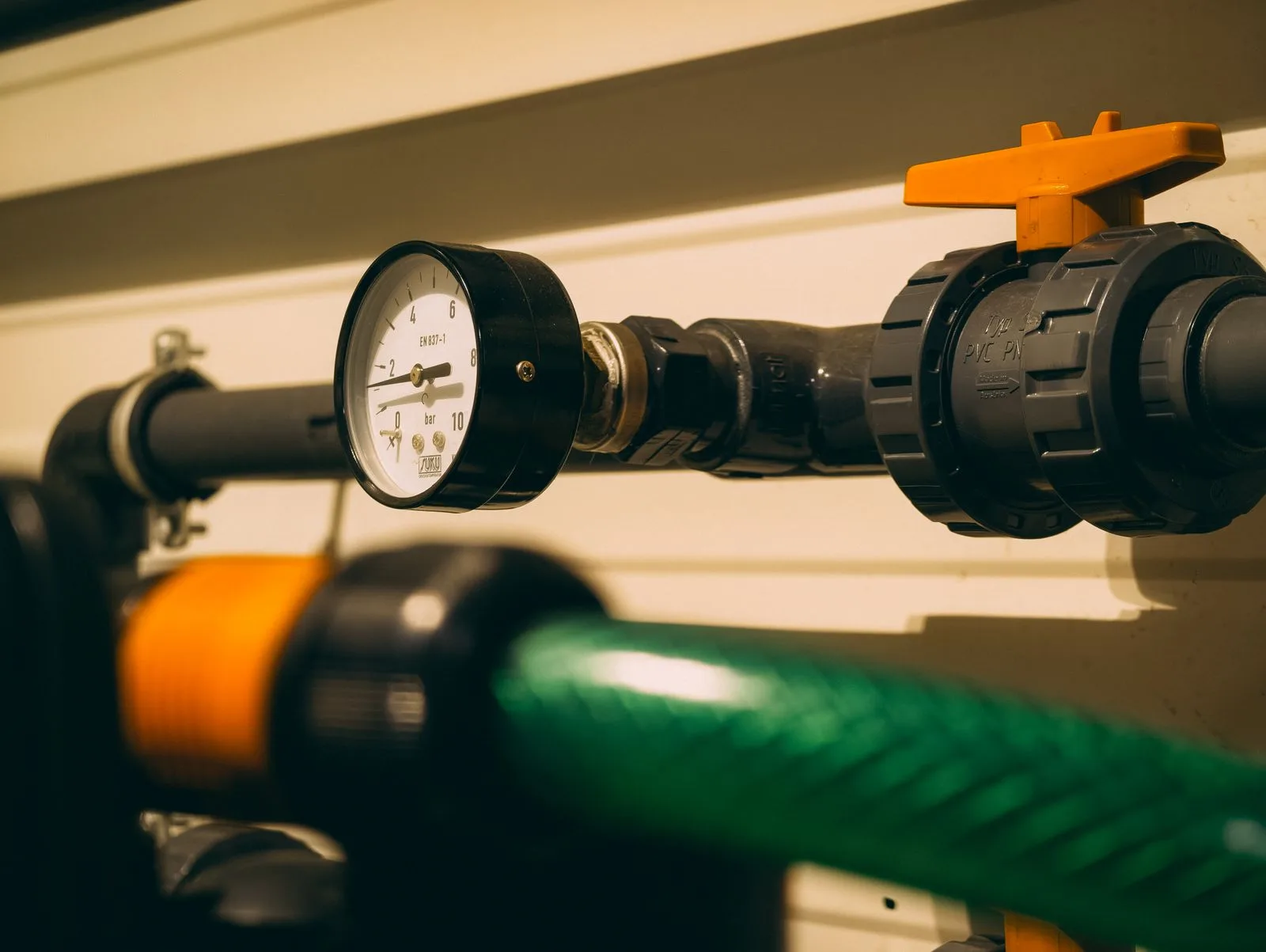
Slab leak detection in Plano is a layered process. A pressure test first proves the line is losing water. Acoustic equipment then listens through the slab for the hiss of the leak, thermal imaging maps the warm trail of a hot water line, and electronic tracing follows the pipe runs so the mark lands in the right place. The goal is a pinpoint: a small marked area where a repair crew can work, instead of a floor opened room by room. Most Plano detection visits finish in a few hours and end with the repair options priced from evidence.
With the leak pinpointed, Plano homeowners choose between three routes. A spot repair opens the slab at the marked point and fixes the failed section; it suits a single leak in otherwise sound pipe. Rerouting abandons the under-slab line and runs a new PEX or copper line overhead, which avoids opening the floor and removes that run from the slab permanently. Tunneling reaches the pipe from outside the house, keeping interiors untouched, at a higher excavation cost. The detection report, the pipe's overall condition and your flooring decide which route makes sense.
Honest Plano pricing starts with detection: across the Dallas to Fort Worth market, a detection visit typically runs $200 to $450. Full slab leak repairs in the region most often land between $1,200 and $5,000 in total, with direct-access spot repairs at the lower end and tunneling at the higher end, because excavation drives the price more than the pipe work itself. What moves a Plano quote is the repair method, how many leaks are found, and what flooring or landscaping has to be restored afterward. You should always see the number after detection, in writing, before work begins.
Dispatch serves slab homes across Plano, including the older neighborhoods of east Plano (75074, 75075), the central corridors around Plano Parkway and Parker Road (75023, 75025), and the newer west Plano and Willow Bend side (75024, 75093) where larger slab homes from the 1990s and 2000s are now reaching the age where first leaks appear. From US 75 to the Tollway, if your Plano home sits on a slab, this page is written for it. Call +1 (972) 945-2624 and describe your part of the city when you book.
Detection in the Dallas to Fort Worth market typically runs $200 to $450, and full repairs most often total $1,200 to $5,000 depending on the method. Spot repairs cost least, tunneling most. In Plano the quote is written after detection locates the leak, so the price reflects your pipe, not an average.
Often, yes. A reroute runs a new line through the attic or walls and abandons the leaking section under the slab, so the floor is never opened. Tunneling also avoids the interior by reaching the pipe from outside. Which route fits depends on the leak location and the condition of the rest of the line.
They prove it first with a pressure test, then listen for it with acoustic equipment, map warm areas with thermal imaging, and trace the pipe runs electronically. The methods cross-check each other until the leak is pinpointed, usually within a few hours, and only then is any repair recommended.
Two reasons meet there: age and soil. East and central Plano slab homes were largely built in the 1970s through 1990s, so their copper lines are now decades old, and they sit on expansive Blackland Prairie clay that moves the slab seasonally. Corrosion plus movement is the classic Plano combination.
Detection usually takes a few hours. A spot repair can often be completed the same day the slab is opened, while tunneling commonly runs one to three days including backfill. Rerouting depends on how many fixtures the line feeds. Flooring restoration, when needed, is scheduled separately.
Call +1 (972) 945-2624. Dispatch will ask about your signs, run through a quick meter check with you, and match the job with an available independent, licensed local plumbing professional serving Plano. Detection is booked first so the repair quote is based on a located leak.
Think you have a slab leak in Plano? Do not wait for the floor to tell you. Call +1 (972) 945-2624 for 24/7 dispatch, or read the slab leak repair little elm tx homepage for the full picture of signs, detection and repair options across the Little Elm and Plano area.
Call the local phone line for the next diagnostic or service-routing step. For the full picture of slab leak repair little elm tx, start at the homepage.