
Slab leak detection is the investigation phase: determine whether a leak exists, narrow down where it is and collect enough information to choose a repair approach. A good detection process reduces guesswork and creates a clearer explanation of what is known, what is uncertain and what should happen next. The Little Elm service area lists the neighborhoods covered.
Detection methods and what they can tell you
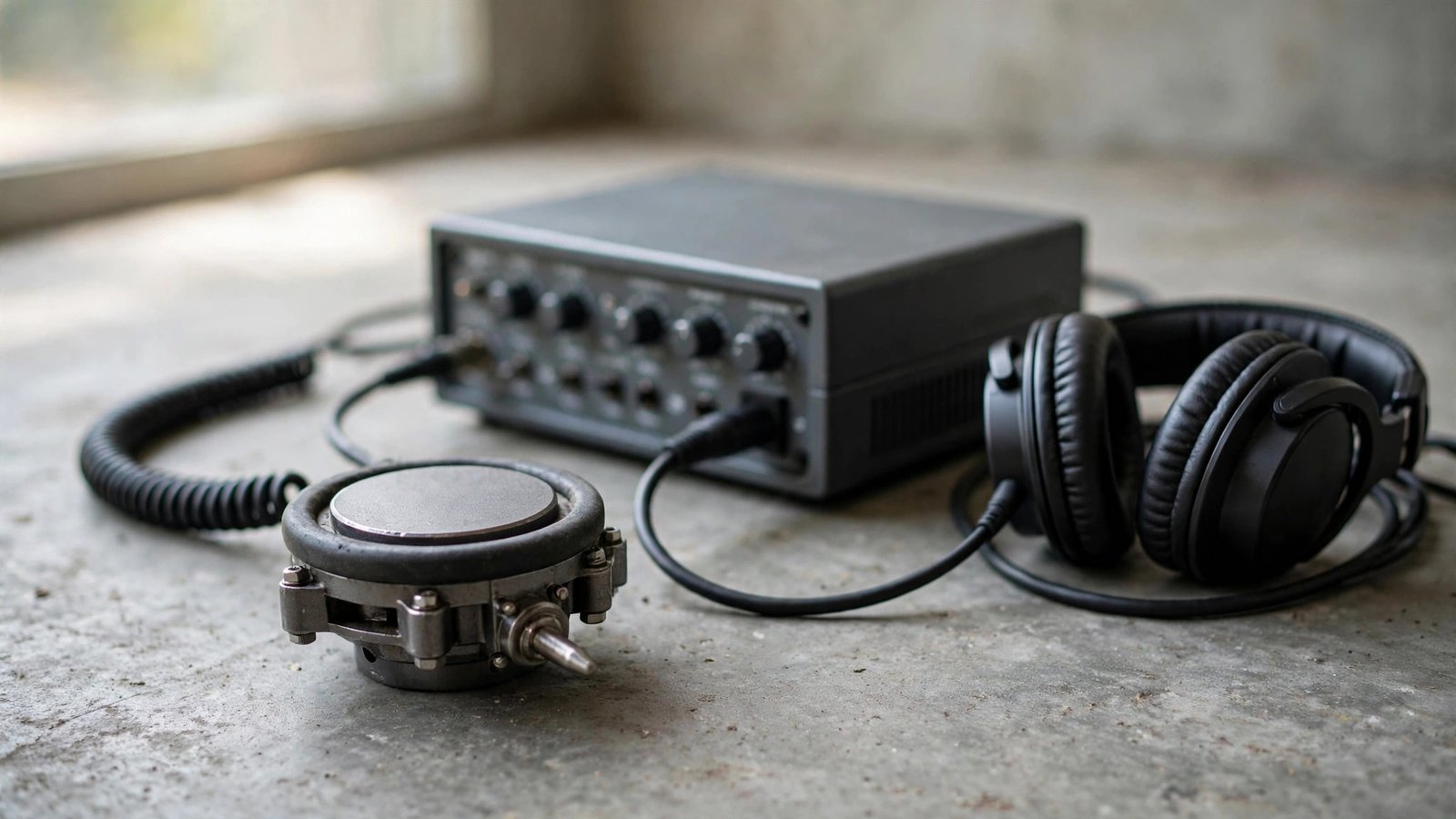
Acoustic detection
Listening equipment can help identify sound patterns associated with pressurized water escaping from a pipe. Site noise and building materials affect what can be heard.
Pressure testing
A pressure test can help determine whether a plumbing section is holding pressure as expected. Testing must be interpreted alongside the plumbing configuration.
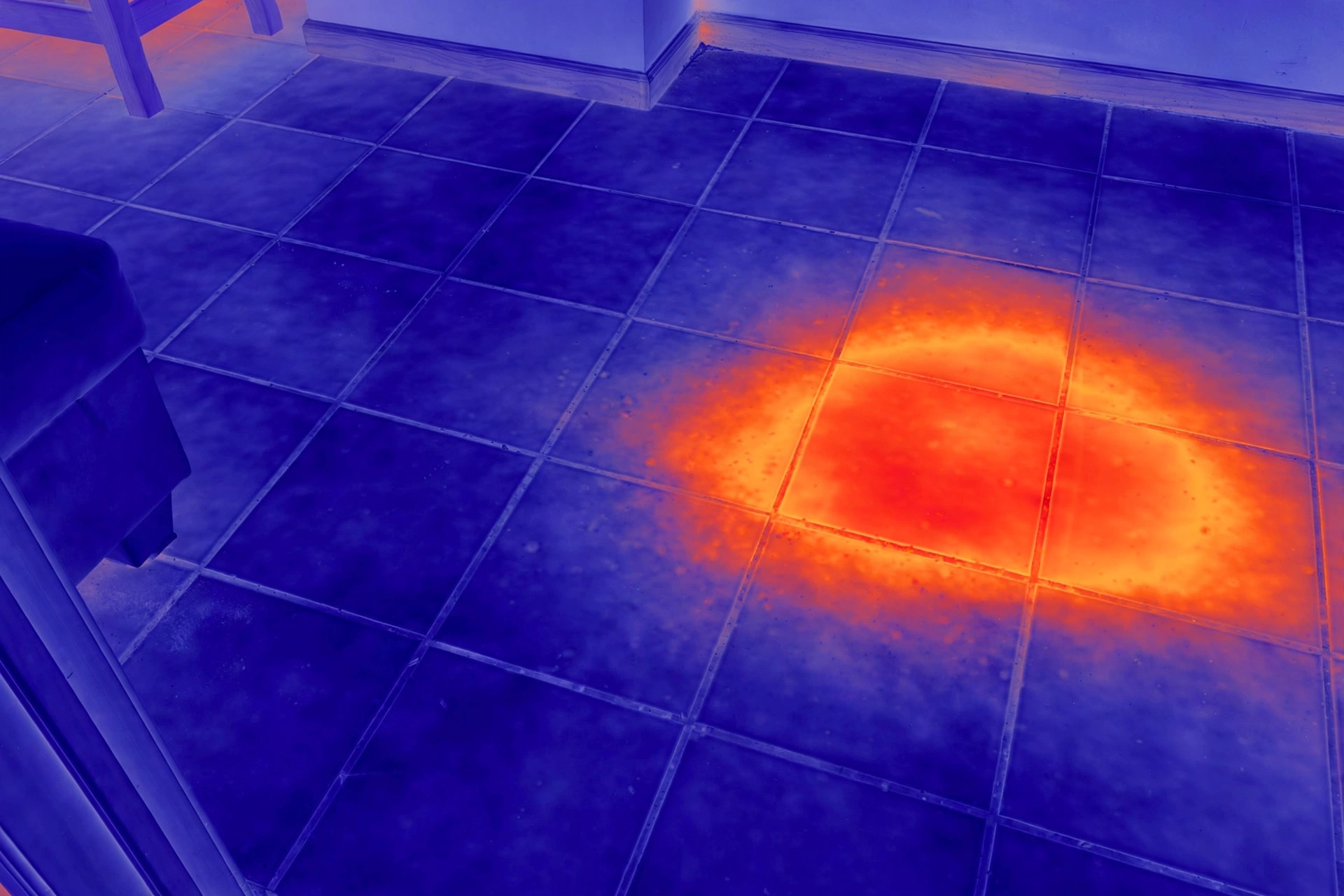
Thermal observations
Temperature differences can sometimes support the investigation of water movement, especially where a hot-water line is suspected.
Electronic tracing
Electronic tools can help trace pipe paths or isolate areas of interest when the plumbing layout is difficult to follow.
Moisture investigation
Moisture patterns can help establish whether a suspected area is behaving differently from surrounding materials.
Verification
Multiple findings can be combined before access work begins so the final repair decision is based on more than one clue.
What happens after a likely leak location is found?
The next step is not automatically jackhammering. Depending on the diagnosis, the property may be evaluated for direct access, tunneling, rerouting or broader repiping. The best plan balances the plumbing problem with the structure, finishes, accessibility and restoration scope.
Why “non-invasive” has limits
Detection can often narrow a search dramatically, but a diagnostic tool does not replace physical verification when the repair requires proof of a failed fitting, pipe section or connection. A credible explanation should distinguish between locating a likely leak area and proving the exact defect.
What leads to a detection visit
Detection visits start with a mystery: the signs point to a leak, but no visible pipe is the culprit. A water bill climbs for no clear reason, the sound of running water appears when everything is off, or a warm spot develops on the floor. Because the plumbing in question is buried, guessing at the location means guessing where to open the structure, and that is an expensive way to be wrong.
The other trigger is ruling things out. Wet flooring can come from appliances, HVAC condensation, or drainage problems, and each of those has a very different fix from a slab leak repair. Detection exists to answer two questions before any repair plan is priced: is there actually a leak in the pressurized plumbing, and where is it most likely to be. If you are already seeing the warning signs, the repair guide explains what happens after the source is found.
Problems detection solves
Good detection does not fix pipes; it prevents expensive mistakes. That prevention is worth more than it sounds:
- Uncertainty about whether the problem is a slab leak or something simpler and cheaper.
- The temptation to open concrete based on a guess about the leak location.
- Paying for a repair in the wrong place while the real leak keeps running.
- Disagreements between contractors about what the problem actually is.
- Missing documentation that an insurer or a future buyer might ask for.
- Wasted time treating symptoms, like drying floors, while the source continues.
How detection works
A detection visit usually opens with questions: where does water appear, when did it start, has pressure changed, what does the meter do when everything is off. The investigator then checks meter behavior directly, because a meter that moves with all fixtures off is strong evidence of a pressurized leak. Pressure testing individual lines narrows the suspect list further by showing which section fails to hold pressure. Homeowners doing their own preliminary checks can also review the household resources published by EPA WaterSense.
With a suspect line identified, locating tools come out: acoustic listening for the sound of escaping water, thermal observation for temperature anomalies from hot lines, and electronic tracing to follow the pipe's path through the slab. Findings are cross-checked rather than trusted from a single tool, and the result is a documented likely location plus a recommended next step, not a jackhammer on day one. What those next steps look like is covered in the repair versus reroute comparison.
What affects the slab leak detection approach in Little Elm, TX
The home itself is the biggest variable. Larger homes with more plumbing lines take longer to isolate; background noise from traffic, appliances, or HVAC can interfere with acoustic listening; and thick or unusual flooring can mute thermal signals. The type of suspected leak matters too: hot-water line leaks often give thermal clues that cold-water leaks simply do not produce.
The number of methods needed changes the effort. A clear meter test plus a strong acoustic signal can resolve quickly; an ambiguous case may need tracing, isolation testing, and a return visit. Access to cleanouts, the water heater, and the main shutoff all help, so having those reachable speeds the visit. Honest detection reports also say what is still uncertain, because a location is a probability until the pipe is exposed. For urgent situations, see the emergency guidance page.
Frequently asked questions
Can thermal imaging find every slab leak?
No. Thermal imaging is one possible source of evidence and may be more useful in some hot-water or moisture conditions than others.
Is acoustic leak detection accurate?
It can be valuable, but results depend on pipe material, building conditions, background noise and technician interpretation.
Does a pressure test show where the leak is?
A pressure test can help show whether a plumbing section is losing pressure, but additional methods may be needed to locate the actual leak area.
Do you have to break the floor to find a slab leak?
Not necessarily. Detection can often be performed before access work. The repair itself may still require a practical access method.
What should I bring to a detection appointment?
Useful information includes recent water-bill changes, times when the sound occurs, known plumbing changes and any areas where you have noticed moisture.
How accurate is slab leak detection?
Detection narrows the search to a likely area using multiple independent clues, but it is an investigation, not an X-ray. A credible report explains the confidence level and what was ruled out, not just a spot marked on the floor.
Do I need to be home during detection?
Usually yes, at least at the start. The investigator needs the symptom history, access to fixtures and shutoffs, and a way to reach you with findings before any repair is discussed.
What if detection does not find a leak?
That is still a useful result. Ruling out the pressurized lines redirects the search toward drainage, appliances, HVAC, or exterior water, which prevents paying for a slab repair that was never needed.
Can detection tell me the condition of my pipes?
Partly. Pressure behavior and the pattern of failures can suggest whether a line is deteriorating, but a full condition assessment may need visual inspection of exposed sections. Ask what the findings imply for the rest of the system.