
◉
Pinpoint detection
Pressure testing, acoustic listening and other methods help confirm whether the problem is under the slab and where it is, before any concrete is opened.
Detection details →Slab leak repair information for Prairie Oaks Gardens, a section within the Prairie Oaks masterplan in the Little Elm, TX area. As part of a larger phased community, homes here share the masterplan's setting while keeping their own plumbing story, so every diagnosis starts at the individual address.
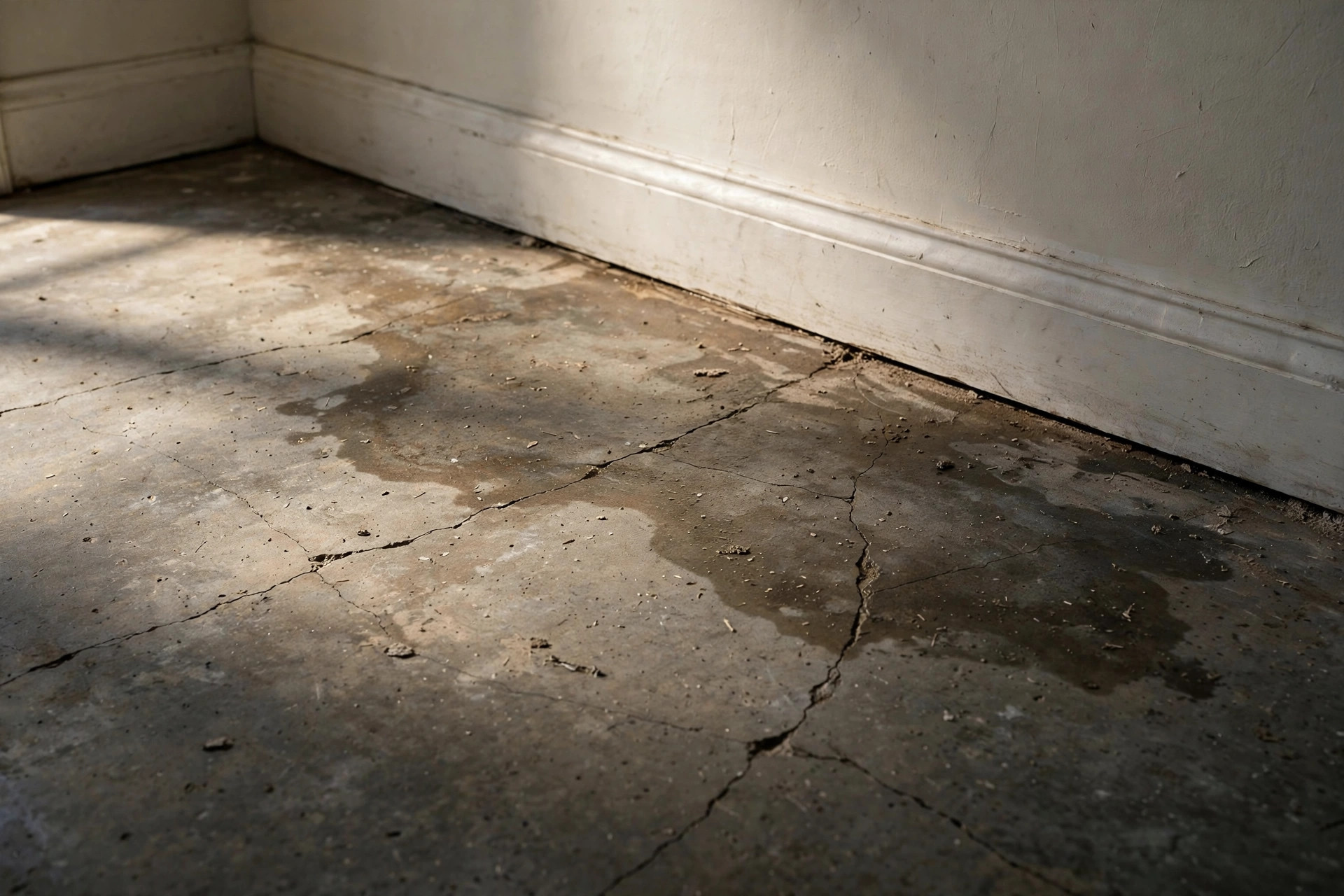
Prairie Oaks Gardens sits inside the Prairie Oaks masterplan, which means residents share the community's streets and setting while their homes may come from a specific build phase. Sections built at different times can carry different pipe materials and layouts.
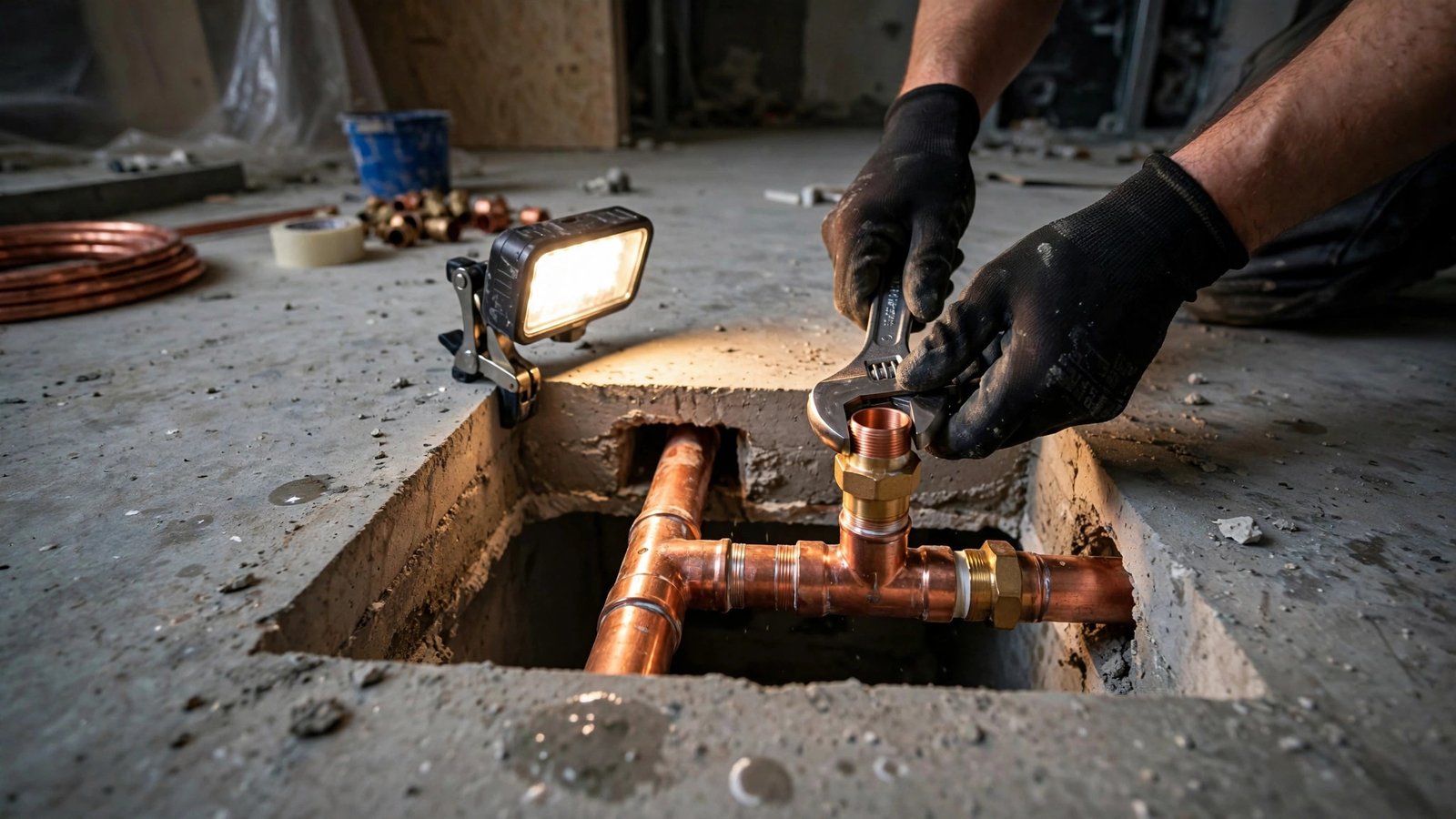
It is a section within the Prairie Oaks masterplan, not a standalone community. Homes here share the masterplan's overall setting and infrastructure. For slab leak help the distinction is small: each home still gets an individual diagnosis based on its own symptoms, pipe run, and layout, no matter which section it belongs to.
The main signs are a water bill that rises without explanation, warm spots on hard floors, the sound of running water when fixtures are off, and damp or musty areas near baseboards. A water heater that cycles more than usual can also hint at a hot-water line leak. Two or more of these together deserve a professional look.
Only testing can say for sure. A pressure test shows whether a supply line is losing water, and acoustic or thermal methods locate the loss. Damp floors and warm spots are clues, not proof, since they can have other causes. That is why professionals confirm with instruments before recommending any concrete work.
Rerouting abandons the failed under-slab line and runs a new water line through walls, the attic, or above the slab. It avoids opening the concrete but still needs work in finished spaces for the new pipe. It can fit well when the leak sits under expensive flooring or the old line has failed before.
It depends on the option chosen and the access involved. A direct repair at one point is often the quickest once detection is done. Tunneling and rerouting take longer because of the excavation or the new pipe run, plus restoration. A technician can give a realistic timeline after detection, when the leak location is known.
Only as background. Builder phases can bring small changes in floor plans, pipe runs, and materials, so a home in Prairie Oaks Gardens is evaluated on its own rather than assumed to match other sections of Prairie Oaks. The address and the symptoms lead the investigation.
There is no published per-neighborhood leak rate, so any claim about how common they are here would be a guess. What matters more is the specific home: its foundation type, the age and material of the plumbing, and the soil and moisture around it. Watch for the signs and investigate the symptoms rather than the neighborhood name.
It depends on the path chosen after detection. A direct spot repair opens the slab at the leak point, tunneling reaches the pipe from the slab edge, and rerouting runs a new line through walls or the attic so the slab stays closed. The comparison happens once the leak is confirmed and located.
Yes, that is the point of the detection visit. Pressure testing, acoustic listening, thermal imaging, and line tracing locate the problem without opening the slab. Concrete is only opened afterward, for the repair path chosen from the evidence.
Prairie Oaks Gardens is a section of the Prairie Oaks masterplan, and like the rest of the community it was built in phases. The pipe materials and layouts in this section reflect its own build timing, which may differ from other parts of Prairie Oaks. The diagnosis still starts fresh at each address.
The signs to watch are the familiar ones: water bills that climb without a clear reason, warm spots on hard floors, the sound of running water when everything is off, and damp or musty areas along baseboards. Noting exactly where each sign appears gives the detection visit a head start.
Detection comes first: pressure testing to confirm the failing line, then acoustic or thermal methods to pinpoint the leak. After confirmation, the homeowner compares a direct repair at the leak point, tunneling from the slab edge, or rerouting a new line overhead.
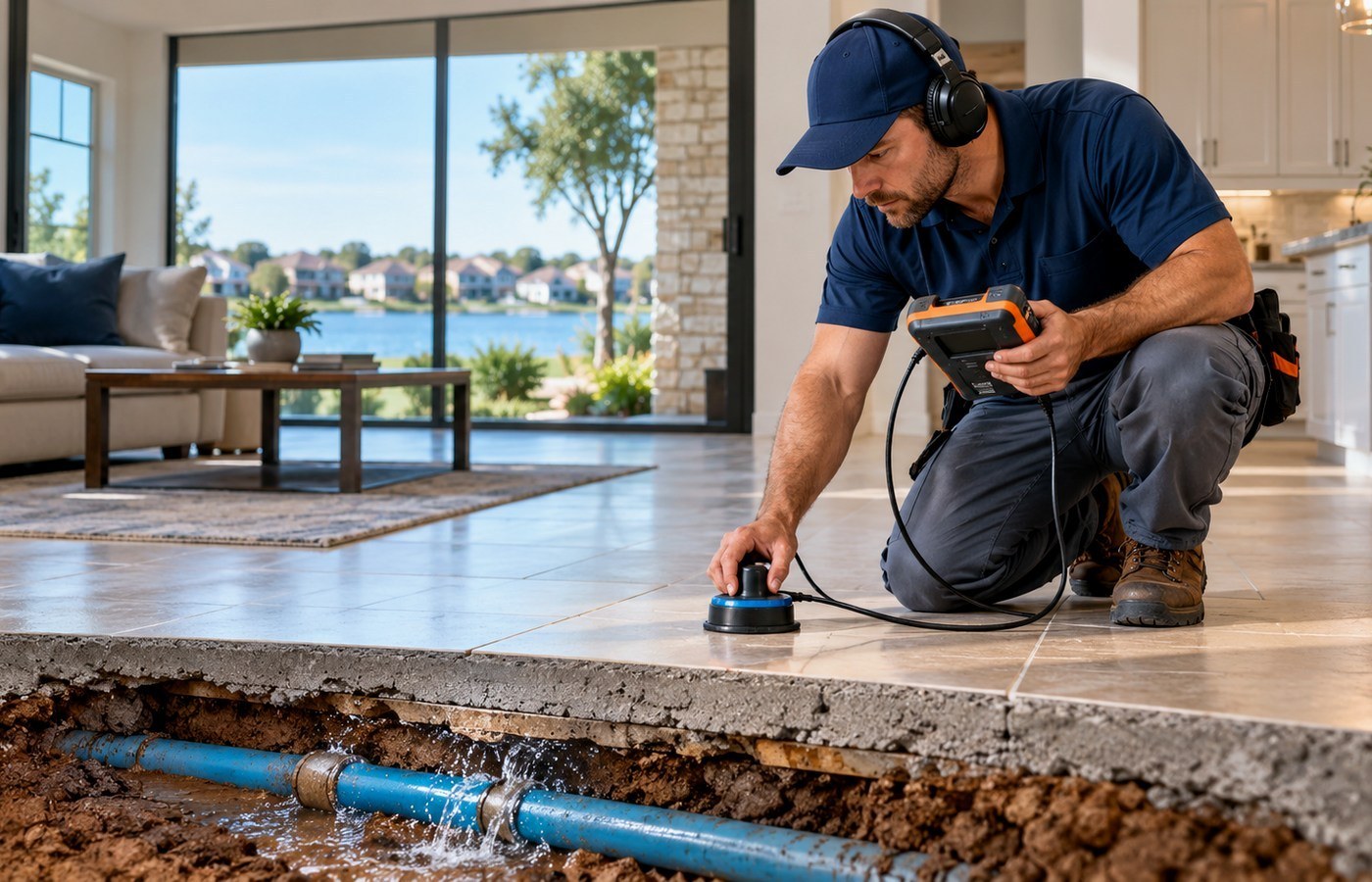
Detection comes first. Below are the main ways a confirmed under-slab leak can be handled. Cost questions are answered on the cost guide.
Pressure testing, acoustic listening and other methods help confirm whether the problem is under the slab and where it is, before any concrete is opened.
Detection details →Access from outside the slab edge can reach the pipe run without cutting through interior floors. It suits some leak locations and soil conditions.
How tunneling works →A new line is run through walls, the attic or above the slab so the failed under-slab section is abandoned. Finished spaces still need some work.
When rerouting fits →Most homes in Little Elm are built on concrete slab foundations, with water and sewer lines running beneath or through the slab. The clay soil common across North Texas expands when it takes on water and shrinks as it dries, and that slow seasonal movement can stress buried pipe runs over time. Normal aging of plumbing materials, small shifts around the foundation, and the occasional weak joint complete the usual picture behind under-slab leaks.
Prairie Oaks Gardens is a section within Prairie Oaks, built as part of that larger community. Builder phases often bring small changes in floor plans, pipe runs, and materials, so a home in Prairie Oaks Gardens is evaluated on its own rather than assumed to match homes in other sections of Prairie Oaks.

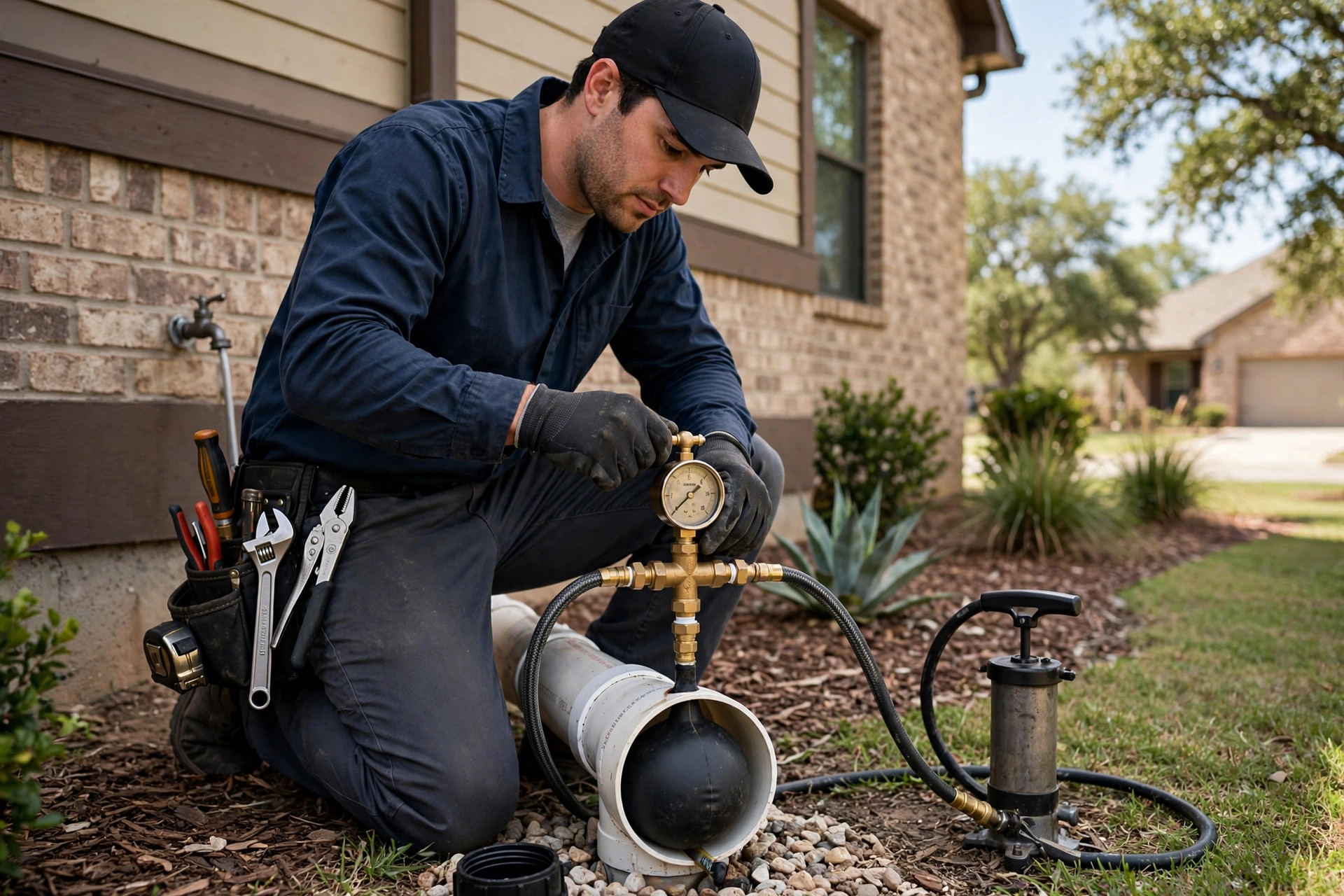
Every investigation in Prairie Oaks Gardens starts the same way: confirm whether the leak is actually under the slab before any concrete is touched. The methods are combined based on the symptoms, and the findings come back as a documented report with photos, so the repair plan is built on evidence rather than guesswork.
With the leak confirmed and located, the repair choice compares a direct spot repair through the slab at the leak point, tunneling in from the slab edge to reach the pipe, or rerouting a new line through walls or the attic so the failed under-slab section is abandoned. Each path changes the disruption pattern, the finished work, and the timeline, so the comparison is made for the specific home, not picked from a menu.
Repair options →No published price average fits every home in Prairie Oaks Gardens, and any number given before detection is a guess. What moves the cost up or down is concrete and specific: where the leak sits along the pipe run, how deep the line is, what floor finish covers the access point, whether tunneling or rerouting fits the home better than a direct opening, and how much restoration the finished work needs. Because Prairie Oaks Gardens is one section of Prairie Oaks, the specific phase and floor plan shape the scope more than the community name does. The honest way to get a number is detection first, then a written scope you can compare.
A confirmed leak location, photos, and a written scope turn a guess into a number you can actually compare. Start with the investigation, not the invoice: call +1 972-945-2624.
1. Shut off the main valve. It is usually near the meter or where the line enters the home; turning it off stops the flow.
2. Check the water meter. With everything off, watch the dial for a few minutes. Movement means water is still leaving the system.
3. Note what you see and hear. Warm spots, damp areas, the sound of running water, and when it started all help the investigation.
4. Do not dig or open anything. Guessing at the location usually costs more than the detection visit.
5. Call for the next step. Call +1 972-945-2624 and describe the symptoms.
Call the local phone line for the next diagnostic or service-routing step.