

Pinhole leaks are small openings that can develop in certain plumbing materials, including copper. A single failure can be localized; multiple failures can raise a wider question about the condition of the line.
Diagnosis before replacement
Useful evaluation considers the location, surrounding pipe condition, plumbing history and whether other failures have occurred. Pressure testing and inspection can help establish scope.
When a broader plan is discussed
Repeated pinholes, inaccessible lines or widespread deterioration may make rerouting or larger replacement more practical than repeatedly opening the same areas.
What causes pinhole leaks
Pinhole leaks are tiny openings that usually form from the inside of the pipe outward. In copper lines, the most common driver is internal corrosion. Water chemistry plays a large role: water that is naturally acidic, or that carries high levels of chlorine or chloramines from municipal treatment, can wear the interior wall of the pipe over many years. High water pressure and fast-moving water add mechanical wear, especially at elbows and fittings where turbulence is greatest and the protective interior surface is disturbed most.
Installation history matters too. Residue from soldering flux that was never fully flushed can create local corrosion spots that fail long after the original work. Where copper meets a different metal without a proper dielectric break, galvanic corrosion can start at the junction. Age alone is a factor: a line that has carried water for decades has simply had more time for these slow processes to add up. A single pinhole can therefore be an isolated event, while a cluster of them usually points to a line-wide condition. Learn how the detection process confirms whether a pinhole is the real source before any repair is planned.
Problems pinhole leak repair solves
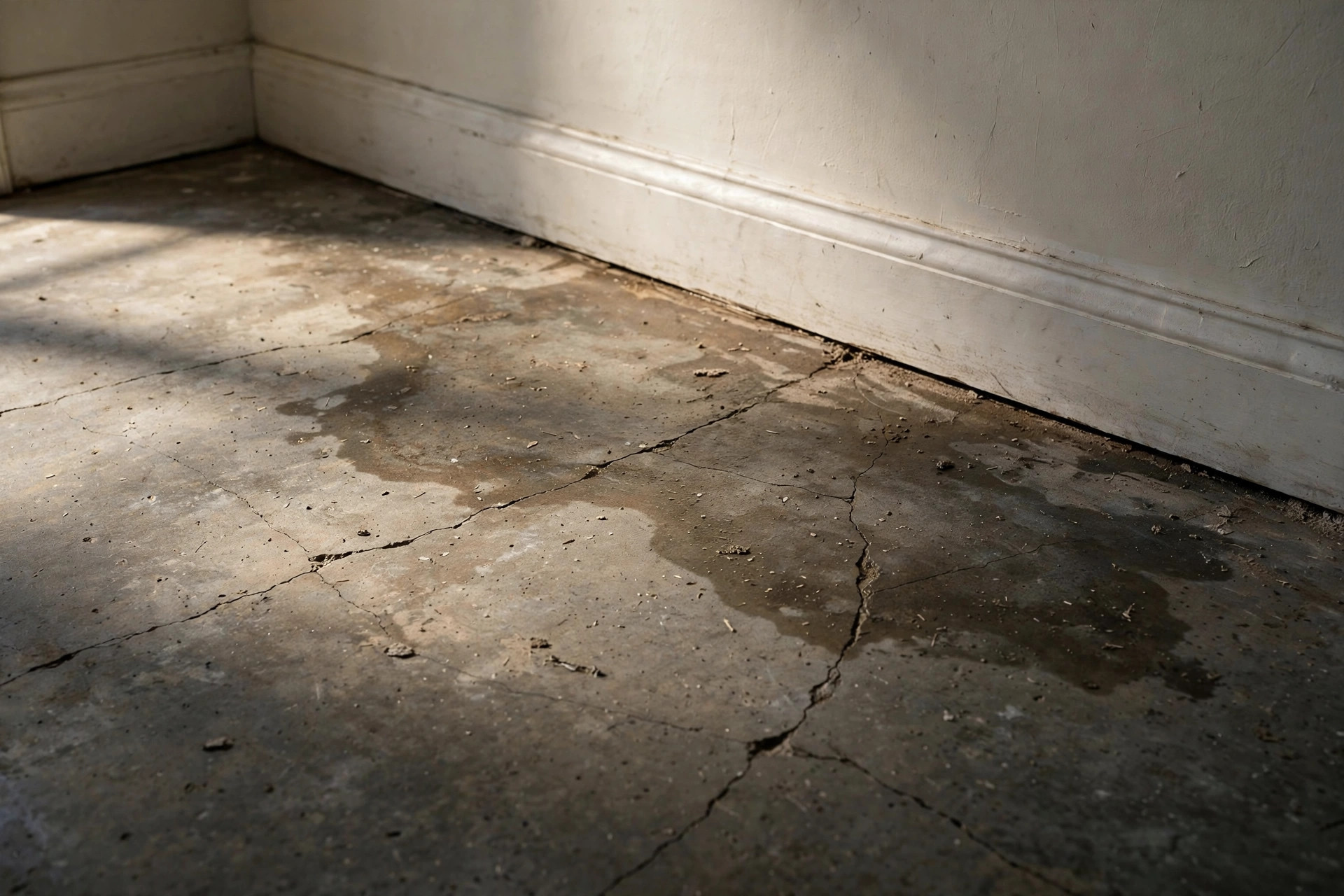
A single pinhole is easy to underestimate because the opening itself is small, but a pressurized line never stops pushing water through it. Addressing the failure properly resolves several practical problems at once:
- Continuous hidden water loss that keeps the meter turning and the bill climbing month after month.
- Moisture trapped under flooring or inside wall cavities, where it damages finishes from below.
- Damp, musty conditions that support mold-friendly environments inside the home.
- Uncertainty about whether the failure is isolated or the first sign of a deteriorating line.
- Repeated emergency patches on the same line that cost more over time than one planned fix.
- The risk that a slow leak stays hidden long enough to affect surrounding materials.
How pinhole leak repair works
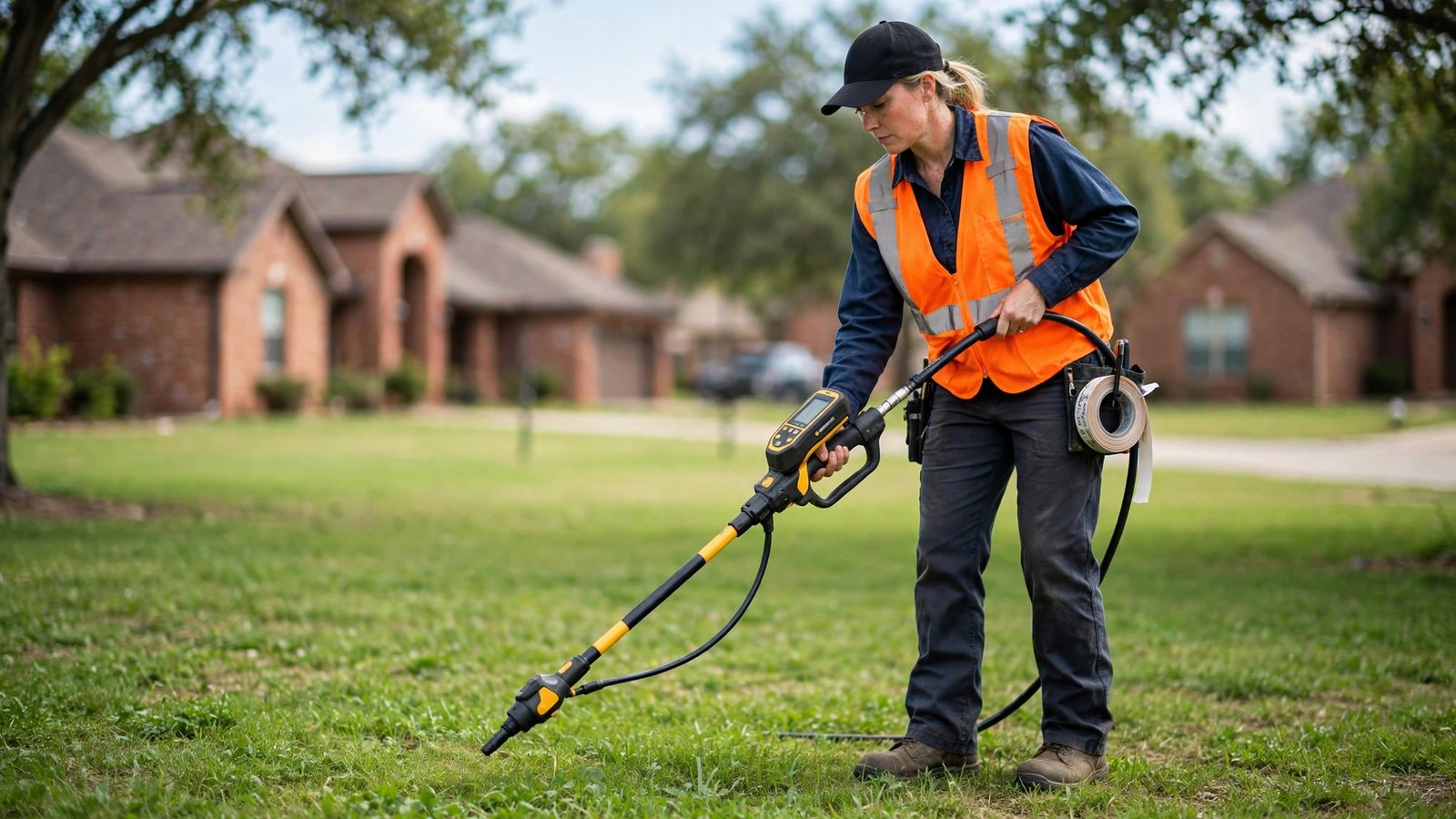
Repair starts with confirmation. A pressure test on the suspect line, sometimes combined with acoustic listening or electronic tracing, establishes which line is losing pressure and roughly where the loss occurs. If the pipe is exposed, a visual inspection can show the condition of the surrounding wall; green or blue-green staining on copper is a common visual clue that corrosion has been active in that area.
Next comes the scope decision. One isolated pinhole in an otherwise sound line is a candidate for a localized repair. Several pinholes, or a line that shows widespread thinning, usually triggers a different conversation about replacing the section or rerouting around it entirely. The repair itself involves opening access, addressing the failed point, and then pressure-testing the line before anything is closed back up. That final test matters because closing a wall or slab over an untested repair invites a repeat visit. When repeated failures point to a line-wide issue, compare the options on the repair versus reroute page.
What affects the approach
The biggest variable is how many pinholes exist and how far apart they are. A single accessible failure is a small, contained job; five pinholes spread along an under-slab run is a different project entirely, and treating each one as a separate surprise is the most expensive way to handle it. Accessibility is the second driver: a pinhole in an exposed garage line is far easier to reach than one buried under finished flooring in the middle of the home.
Pipe material and condition shape the method. Copper can often be repaired at the failed point, but if the interior wall is thin along a long stretch, a spot repair may only buy time before the next failure. Whether rerouting is chosen instead changes the scope from opening the slab to running a new overhead or wall route. Restoration is its own variable: concrete patching, flooring, and finish repair can be a separate line of work from the plumbing itself, so a complete plan should name what restoration is included. For how these variables translate into quotes, see the cost guide.
What to mention when you call
A short, factual summary helps the person on the phone route your situation correctly. Mention the symptoms you have noticed: an unexplained bill increase, the sound of running water with fixtures off, damp spots, or visible staining. Note whether this is the first failure or one of several, and whether any previous leak was in the same area or the same line.
Anything you know about the plumbing itself is useful: the pipe material if you have seen it, the approximate age of the home, and where the suspect line runs, and your Little Elm neighborhood, since soil and construction patterns vary by area. Describe what sits above the area, such as tile, wood, or carpet, and whether water is actively leaking right now or the problem seems intermittent. You do not need a diagnosis before calling; a clear description of what you observe is enough for the next step to be planned sensibly.
Frequently asked questions
Can pinhole leaks happen more than once?
Yes. Multiple failures can justify broader pipe-condition evaluation.
Does tunneling avoid all interior work?
Not necessarily. It may reduce slab access, but other access or restoration may still be required.
Is rerouting always the best option?
No. The appropriate method depends on diagnosis, access, line condition and the property's needs.
How small is a pinhole leak, really?
A pinhole can be as narrow as a pin tip, yet still release a steady stream under normal household pressure. The damage comes from duration, not size: a tiny opening can soak surrounding materials for weeks before anyone notices.
Can one pinhole leak cause serious damage?
Yes, when it stays hidden. Water under flooring or inside a wall cavity damages finishes, invites mold-friendly moisture, and can raise the water bill month after month until the source is found and fixed.
Do pinhole leaks mean the whole pipe is bad?
Not always. A single pinhole can be an isolated event, especially after a poor solder joint or a local chemistry issue. Repeated pinholes in different spots are a stronger signal that the line itself is deteriorating.
Should I repair the pinhole or reroute the line?
It depends on the count, spacing, and condition of the failures. One isolated pinhole usually favors a targeted repair; repeated failures often make rerouting or broader replacement worth comparing. A diagnosis should come first.